Winter on the South Shore isn’t just colder — it’s a season of relentless weather stress for your home’s roof. Between coastal winds, fluctuating temperatures, snow, and ice, roofs face multiple threats that can shorten their lifespan or lead to costly repairs. At Giannini Roofing & Siding, we’ve helped South Shore homeowners protect their roofs through decades of harsh New England winters, and we want you to understand exactly what to look out for.
Ice Dams — Hidden Damage Behind the Ice
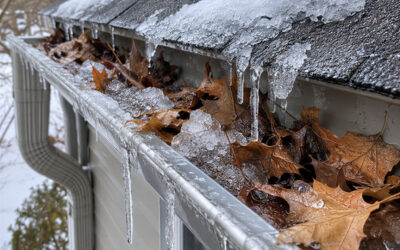
One of the most notorious winter threats in New England is the ice dam. These ridges of ice form along roof edges when snow melts on warmer sections of your roof and refreezes at the colder eaves. The result is a barrier that traps additional meltwater, forcing it under shingles and into your home’s interior — leading to leaks, insulation damage, and rot.
Why they form:
- Heat escaping through the attic warms the roof surface unevenly
- Snow melts, runs down the roof, and refreezes at the cold edges
What to watch for:
- Long icicles hanging from gutters
- Ice ridges along the eaves
- Water stains on ceilings
How to prevent them:
- Ensure proper attic insulation and ventilation
- Keep gutters clear so meltwater can drain freely
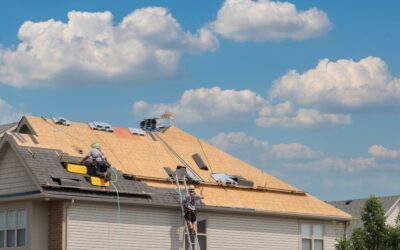
Professional installation of ice-and-water barriers and balanced attic airflow are among the most effective defenses against ice dams — and something our team at Giannini Roofing routinely installs to protect coastal homes.
High Winds — More Than Just Blown Shingles
South Shore winters bring coastal storms with powerful gusts that can wreak havoc on roofing materials. Strong winds can:
- Lift or loosen shingles — exposing the roof deck to moisture
- Damage flashing around chimneys and vents — a common leak point
- Stress underlayment and edge metal
Once shingles or metal panels are compromised, wind-driven rain and snow can seep in through tiny gaps, accelerating wear and increasing the risk of leaks. Regular professional inspections — especially after winter storms — catch this damage early before it turns into expensive repairs.
Freeze–Thaw Cycles — Invisible, Gradual Wear
Winter doesn’t stay frozen all the time. Daytime warmth followed by freezing nights causes a “freeze–thaw” cycle that silently deteriorates roofing materials. Water enters micro-cracks, expands as it freezes, and gradually worsens the damage over time.
Effects on roofing materials:
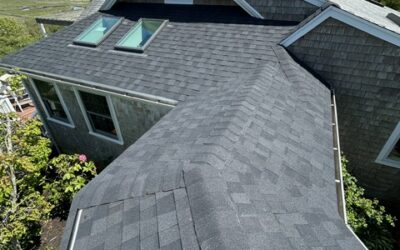
- Asphalt Shingles: Can crack, curl, or become brittle from repeated expansion and contraction.
- Metal Roofs: Thermal shifts can loosen fasteners or seams if not properly installed.
- Slate Roofs: Natural stone is durable, but the freeze–thaw cycle can crack individual tiles or dislodge them.
Low-quality underlayment or poor ventilation magnifies these effects. That’s why Giannini Roofing emphasizes strategic ventilation and high-performance underlayments in every roof system — it keeps temperatures more consistent and reduces shingle stress.
Coastal Storms — Snow, Salt, and Severe Weather
Living on the South Shore means bragging rights to beautiful ocean views — but also exposure to coastal winter storms. These events combine snow, wind, freezing rain, and salt air, and they affect roofing systems in several ways:
- Salt spray accelerates corrosion on metal flashings and fasteners.
- Heavy wet snow adds significant weight to roofs, stressing structural supports.
- Freezing rain can quickly glaze surfaces, increasing load and formation of ice dams.
As part of Giannini Roofing’s coastal-climate expertise, we reinforce roofing systems with durable underlayment, reinforced flashing, and materials suitable for seasonal extremes — whether that’s asphalt, metal, or slate.
Material-Specific Winter Considerations
Understanding how winter affects different roofing types helps homeowners make smarter decisions:
- Asphalt Shingles
- Most common and cost-effective
- Can suffer from cracking in freeze–thaw cycles and wind uplift if aging or improperly installed
- Benefit greatly from quality underlayment and ventilation systems
- Metal Roofs
- Excellent at shedding snow and ice
- Less prone to water infiltration once properly sealed
- However, thermal cycling can loosen fasteners or seals over time
- Ideal for homeowners seeking long-term performance
- Slate Roofs
- Extremely durable and beautiful
- Resistant to wind and moisture when intact
- Individual tiles can crack or shift in extreme freeze–thaw conditions or under debris impact
At Giannini Roofing, we tailor roofing solutions based on your home’s design, location, and exposure — so winter weather becomes just another season, not a threat.
Final Takeaway: Proactive Protection Is Key
Winter doesn’t wait — and neither should you. Early fall inspections, gutter cleanings, attic insulation checks, and professional winter-readiness assessments make all the difference between routine maintenance and emergency repairs.
If you’re concerned about how winter weather will impact your South Shore roof, reach out to Giannini Roofing & Siding. With decades of local experience and a commitment to long-lasting results, we’ll help ensure your roof is ready for whatever winter throws its way.