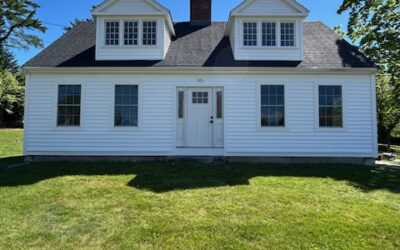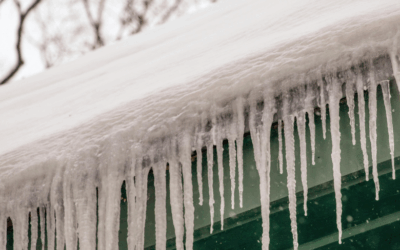
Coastal Massachusetts homes are subjected to challenges that inland homes do not experience. Salt air from Cape Cod Bay and the Atlantic will corrode the typical materials used for roofing and other exterior systems in coastal homes much quicker than their inland counterparts. Nor’easters, winter storms with sustained winds of 70mph or higher, bring high levels of wind-driven rain to waterfront homes. In the spring, the increased humidity combined with the UV radiation of the sun during the summer months increases the rate of degradation to your roof and exterior systems.
At Giannini Roofing, we have been protecting the roofs of homes located on the South Shore for over 20 years from the very same environmental conditions described above. Whether you live in Scituate, Marshfield, Duxbury, or another location along the South Shore, we have extensive knowledge of what works best for homes subjected to salt spray and high levels of wind and rain. The purpose of this article is to explain why coastal homes require specialized roofing materials and installation techniques that are often overlooked by inland contractors.
How Does Salt Air Damage Typical Roofing Materials?
Salt air damages your roof through a process that most homeowners have never experienced until the damage has occurred. Microscopic salt particles fall onto shingles, metal flashing and fasteners. Once the morning dew or rain falls, those microscopic salt particles break down into a corrosive solution made of chloride ions. The chlorides initiate electrochemical reactions that cause metal parts (such as galvanized nails) to rust prematurely (often in less than 1 year), causing the shingles to loosen and potentially be dislodged during a storm. Aluminum flashing develops pitting due to salt exposure, allowing water intrusion at valleys and chimneys. Copper components, including gutters and downspouts, also develop oxidation faster near saltwater due to the presence of chlorides.
Asphalt shingles also suffer from different types of damage due to salt exposure. Salt breaks down the protective granules on asphalt shingles, leaving the underlying asphalt unprotected from the effects of UV rays. Shingles without the protective granules become brittle and prone to cracking due to thermal expansion cycles. Coastal homes within 1 mile of the ocean experience significantly greater rates of deterioration compared to homes located 10 miles inland that are exposed to the same type of roofing materials.
Which Roofing Materials Are Most Resistant to Corrosion in Coastal Massachusetts?
Aluminum and stainless steel roofing systems have the highest resistance to salt corrosion among all types of materials. Aluminum develops an oxide layer that protects it from further deterioration. Type 316 stainless steel contains molybdenum that specifically resists corrosion caused by chlorides in salt spray.
For asphalt shingle roofs, architectural asphalt shingles with enhanced wind ratings perform better than standard three-tab shingles. Architectural asphalt shingles like CertainTeed Landmark and Presidential shingles contain impact resistance that helps protect them from debris damage during coastal storms. Thicker construction and stronger adhesives help prevent wind uplift that would otherwise rip off lower-cost alternatives.
TPO (thermoplastic polyolefin) rubber membranes perform extremely well on flat or low-slope areas of new coastal homes. TPO rubber does not corrode, can withstand ponding water without deteriorating, and reflects heat to save energy on cooling. Slate is the ultimate option for coastal homeowners looking for long-term durability and willing to spend the money now to avoid expensive repairs later. No amount of salt air can penetrate slate, and properly installed systems can last for 75 to 100 years in marine environments.
Do I Need Special Installation Methods for Homes Located on the Coast?
Massachusetts building codes specify that stainless steel Type 316 fasteners be used for all roofing installations within 15 miles of saltwater. Galvanized nails used in standard installations will fail inspection and corrode in less than 5 years. This building code requirement is applicable to shingles, flashing, and any metal components that are exposed to coastal conditions.
Special installation procedures are necessary for coastal homes to ensure that they meet Massachusetts building codes. Proper installation of a roof requires special underlayment barriers to keep water from entering under the shingles during wind-driven rain events during nor’easters. High-grade synthetic underlayment will create a secondary barrier to prevent water damage to the roof deck when wind enters gaps between the primary roofing material and the roof decking.
Installation of flashing near the ocean is particularly important. We use corrosion-resistant materials for all roof penetrations, valleys, and transitions to the ocean. Aluminum flashing is not suitable for coastal installations and will fail much too soon. Stainless steel or copper flashing provides the long-term performance required by coastal homes. Each seam of the flashing system is sealed with a marine-rated sealant designed to withstand constant moisture and extreme temperatures.
How Does Coastal Humidity Affect Roof Lifespan?
Humidity increases the speed of every type of roof deterioration. Salt attracts and holds moisture from the air longer than it takes for rain to stop, maintaining surfaces wet for extended periods. The constant moisture provides the perfect environment for mold and algae growth on shingles. Black streaks created by mold and algae growth hold additional amounts of water against your roof surface.
Water trapped under shingles, in wood roof decking, and structural members also causes decay in coastal homes. Attic ventilation is essential to preventing this damage. We design ventilation systems for our clients in Scituate to remove coastal humid air before it condenses on the underside of the roof decking.
The combination of salt and humidity creates the worst possible environment for standard fasteners used in roofing. Moisture activates the corrosive properties of salt deposits and speeds up the rusting of fasteners. Fastener failure occurs in coastal homes within 5 to 7 years without proper materials. That is 13 to 17 years sooner than inland homes that are exposed to the same products.
Are There Building Code Requirements for Waterfront Properties?
Yes. Massachusetts building codes establish stricter requirements for coastal construction. Homes located in Coastal A Zones and V Zones must meet enhanced wind load calculations and flood-resistant design provisions. These regulations apply to how your roof is attached to the structure below it.
Wind uplift resistance is more important for coastal homes. Building codes require specific attachment methods that transfer the forces of the roof through the wall framing to the foundation. Use of hurricane straps and enhanced nailing patterns is no longer optional but is required for coastal property owners.
Building codes also restrict the use of certain materials and installation methods for coastal properties. The intent of these regulations is to ensure your roof remains intact after the next major storm, not to require emergency repair after each nor’easter. Working with a contractor that is knowledgeable about these regulations and standards ensures that your roof passes inspection and is properly installed to withstand future storms.
Protect Your Coastal Home Investment
Protecting coastal homes requires more than the standard materials and installation procedures used for inland homes. At Giannini Roofing, we have protected South Shore properties for over 20 years with materials that have been proven to withstand salt air, humidity, and extreme weather conditions.
We have a team that is knowledgeable of Massachusetts coastal building codes, understands which materials will last longest in marine environments, and install every roof to withstand the unique stresses associated with coastal living. Contact us today to receive a thorough analysis of your coastal home’s roofing needs.